Verdict: The best snake tracking apps make refusals, sheds and weight changes easy to record without turning routine care into paperwork. Snake keepers need a clean timeline more than a busy dashboard.
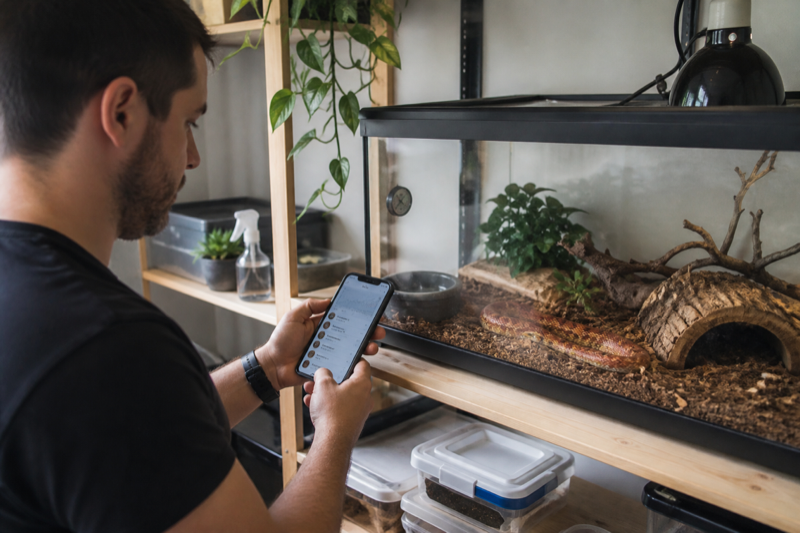
What a snake tracking app should handle
Feeding records need more than a yes or no field. Useful entries include prey type, prey size, feeding method, refusal and any note that explains an unusual response. The history should remain easy to scan months later.
Shed logging also needs context. A date, complete or incomplete result and a short observation are usually enough. Keepers who track humidity may want to compare environment readings with a difficult shed, but an app should not imply medical causation from a single event.
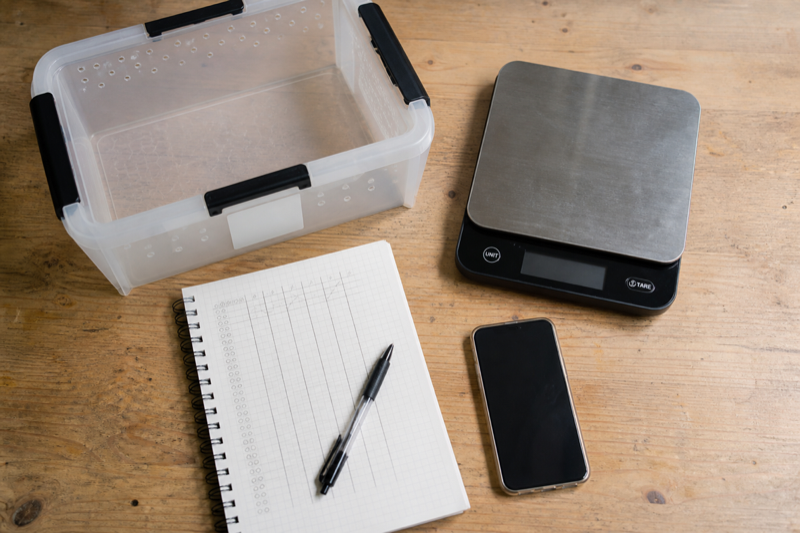
Weight trends without false alarms
A graph is helpful when its source entries are visible. Check whether you can correct a typo, change units and see the original measurement date. A smooth line can hide messy data, so the underlying log still matters.
For one snake or a collection
One-animal homes can choose for speed and clarity. Collection keepers need better navigation. Search, filters and labels become essential once similar names and morphs fill the list. Test the app with at least a dozen sample animals before committing.
Before you migrate
Shortlist for snake keepers
For a single snake, Reptile Rocket and other simple profile trackers can cover the basics without turning each feeding into data entry. Husbandry.Pro becomes more attractive as the number of animals rises because it adds collection, task and breeder workflows. Reptile Scan is the better match when labels and rack-side scanning are part of the routine.
A general pet app can still work, but it needs a true refusal event. Writing “did not eat” in a note makes later filtering harder. The same applies to sheds. Complete, incomplete and pre-shed observations should not collapse into one undated text box.
A practical snake record
Keep feeding entries modest. Date, prey type, prey size or weight, accepted or refused, and a short note usually cover the useful ground. Record body weight on its own schedule rather than every time food is offered. That keeps the chart readable and avoids handling a snake simply to satisfy the app.
Shed records are most useful when they show the beginning of a cycle, the completed shed and whether retained skin or eye caps were seen. Add a photo only when it helps document a change. A tracker is a memory aid, not a diagnosis engine.
Test the timeline before committing
- Backdate several feedings, including two refusals.
- Add weights in the unit you normally use.
- Record a shed and a husbandry change on the same date.
- Find the last accepted meal without opening every note.
- Export the record and check dates, units and animal IDs.
That final search is revealing. A decorative dashboard may show totals while hiding the answer you need: what happened immediately before the animal stopped eating?
FAQ
Does a feeding refusal need a reminder?
Not automatically. A missed meal can be normal in context. Use reminders for your planned recheck or next offer, not as a medical alarm.
Can an app predict sheds?
It can estimate from past intervals, but individual cycles vary. Treat predictions as prompts to observe the animal and review humidity.
Is a spreadsheet better?
A spreadsheet wins on customization and portability. An app wins when fast phone entry and reminders keep you consistent.
For a wider view: Compare the broader options in our reptile tracking app guide, then use the feeding tracker comparison to test refusal and prey-size workflows.